Turning Impossible into Indegenious


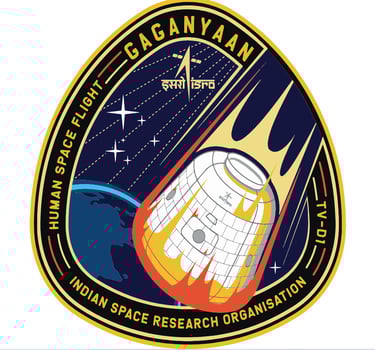
GAGANYAAN
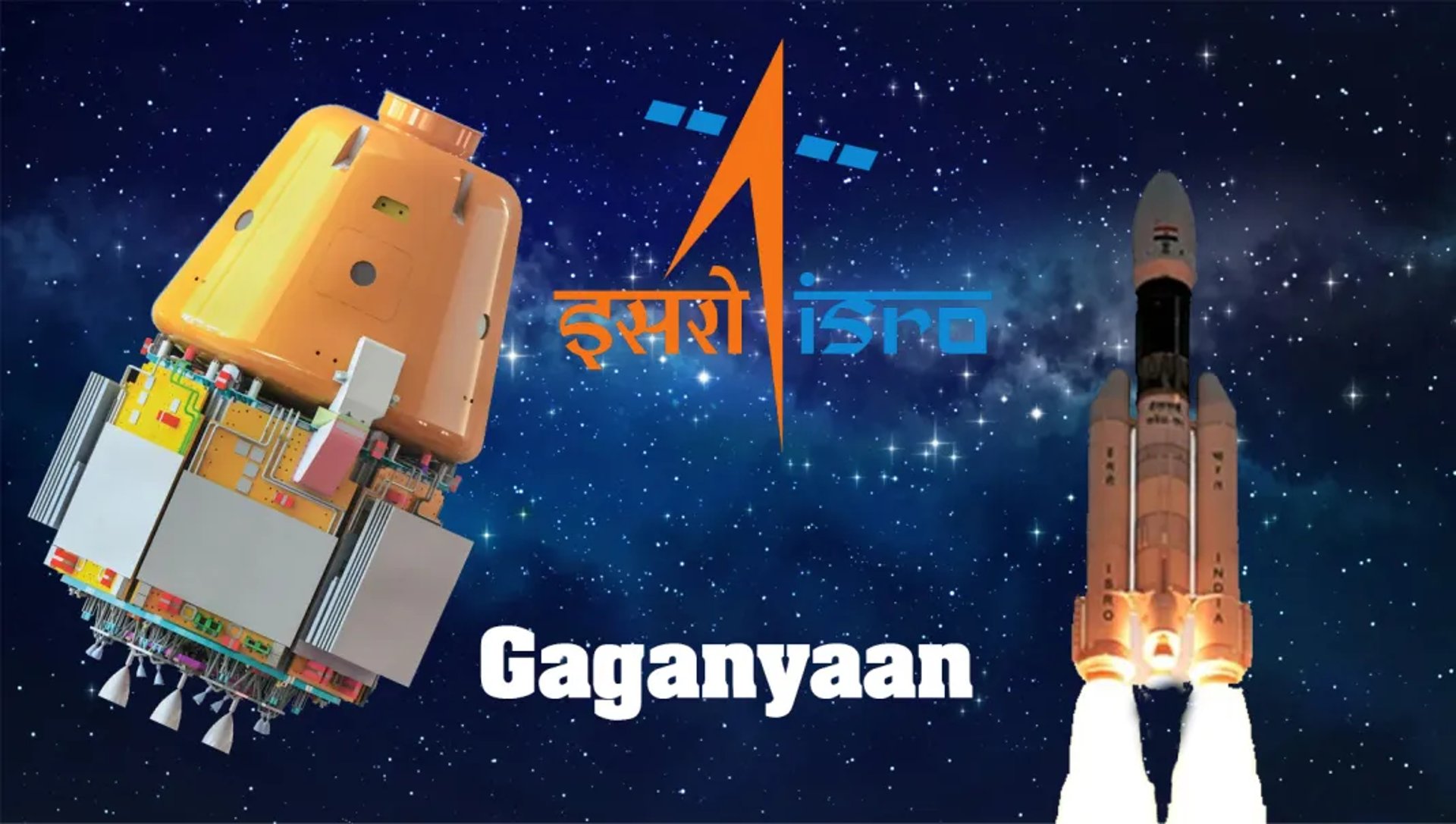
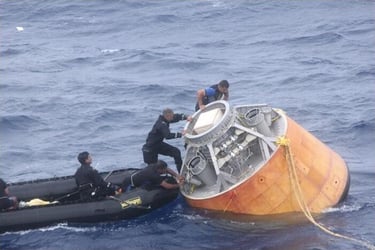
Gaganyaan project envisages demonstration of human spaceflight capability by launching crew of 3 members to an orbit of 400 km for a 3 days mission and bring them back safely to earth, by landing in Indian sea waters.
The project is accomplished through an optimal strategy by considering inhouse expertise, experience of Indian industry, intellectual capabilities of Indian academia & research institutions along with cutting edge technologies available with international agencies. The pre-requisites for Gaganyaan mission include development of many critical technologies including human rated launch vehicle for carrying crew safely to space, Life Support System to provide an earth like environment to crew in space, crew emergency escape provision and evolving crew management aspects for training, recovery and rehabilitation of crew.
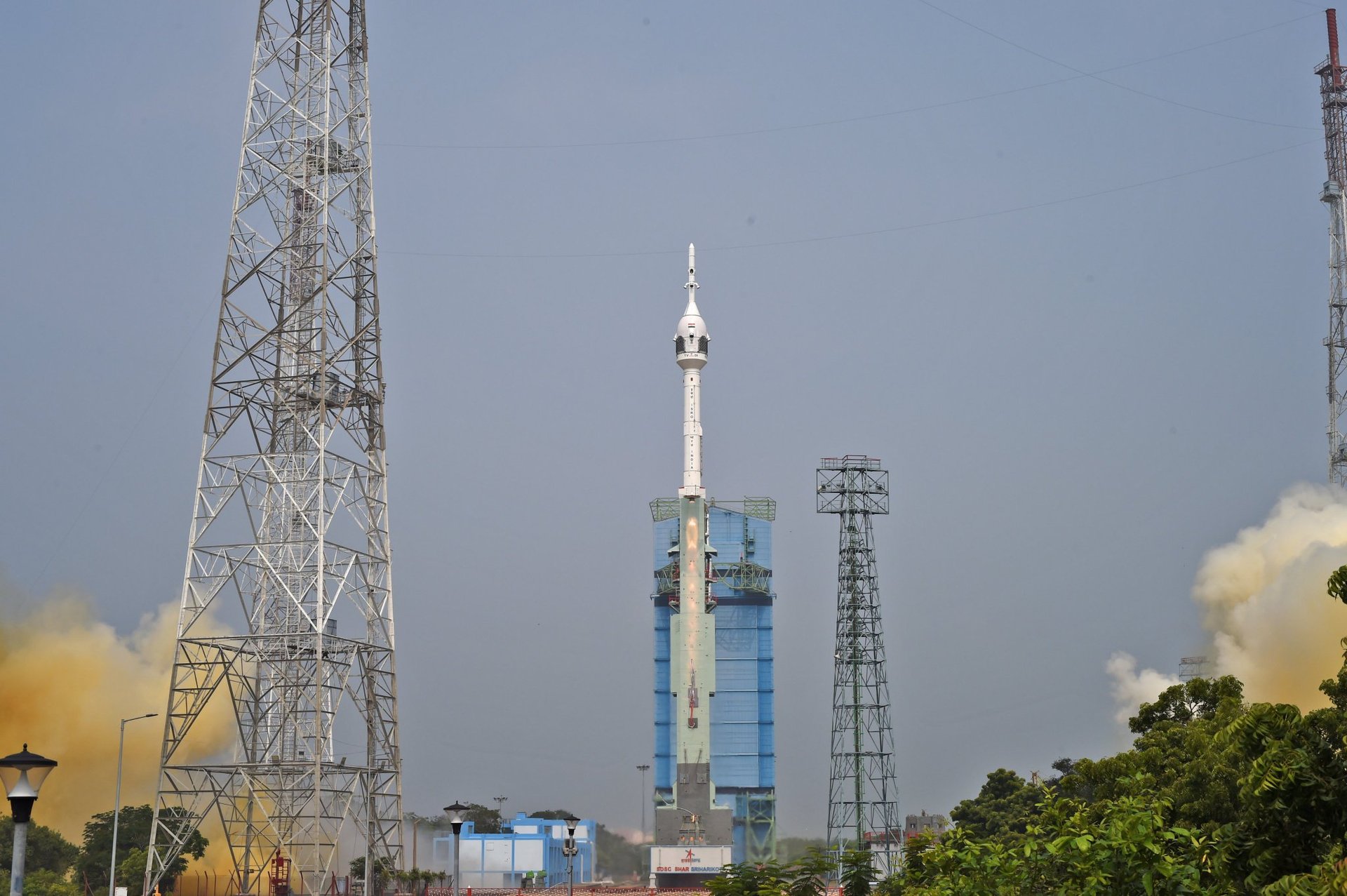
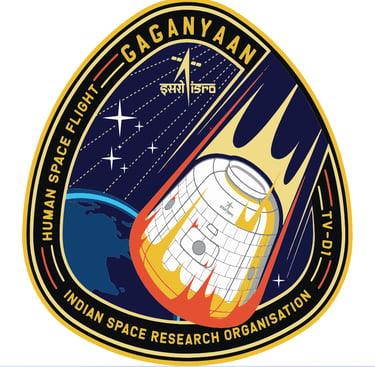
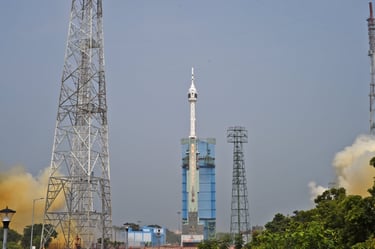
Various precursor missions are planned for demonstrating the Technology Preparedness Levels before carrying out the actual Human Space Flight mission. These demonstrator missions include Integrated Air Drop Test (IADT), Pad Abort Test (PAT) and Test Vehicle (TV) flights. Safety and reliability of all systems will be proven in unmanned missions preceding manned mission.
GAGANYAAN CREW
MEET THE CREW
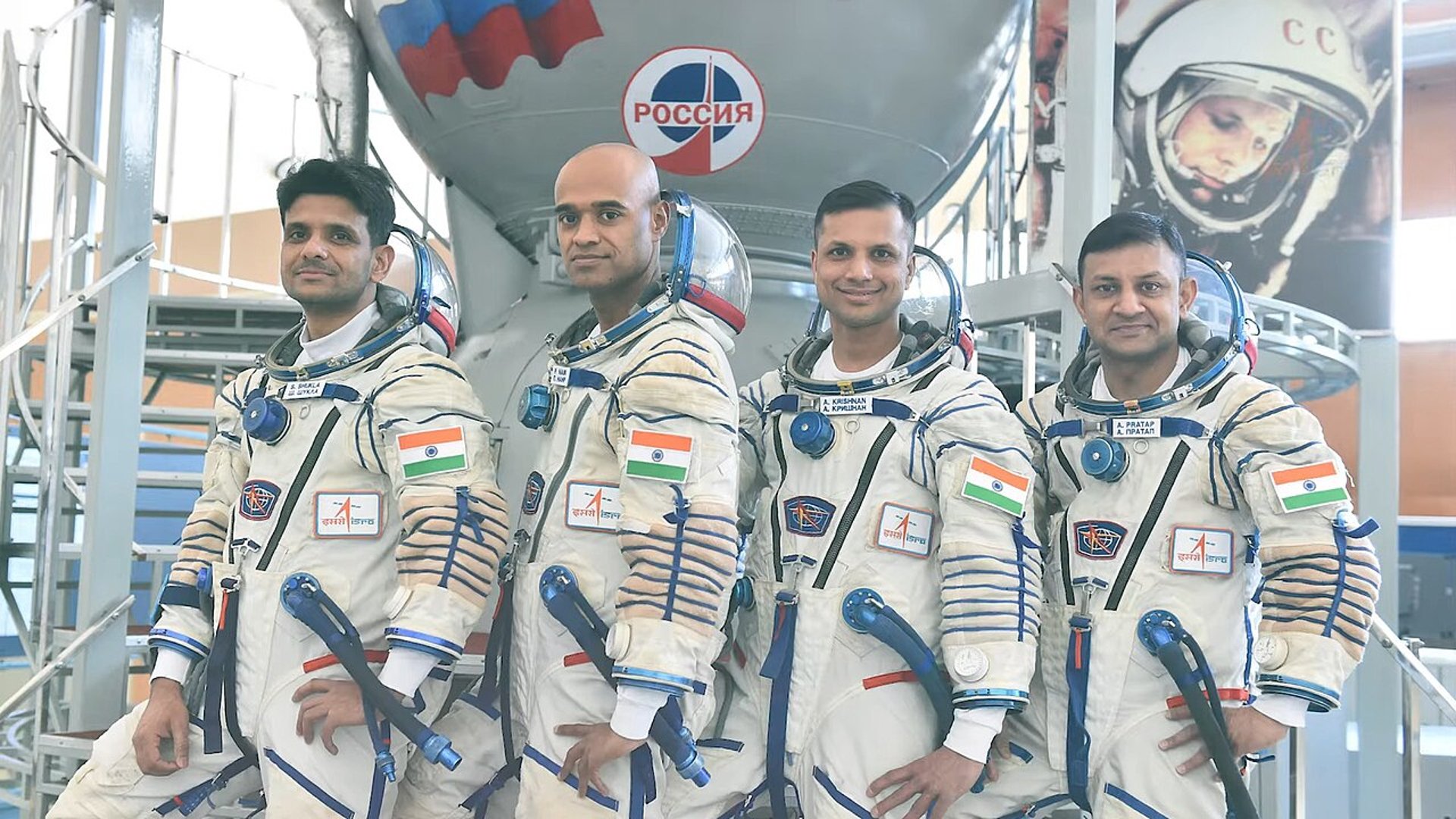
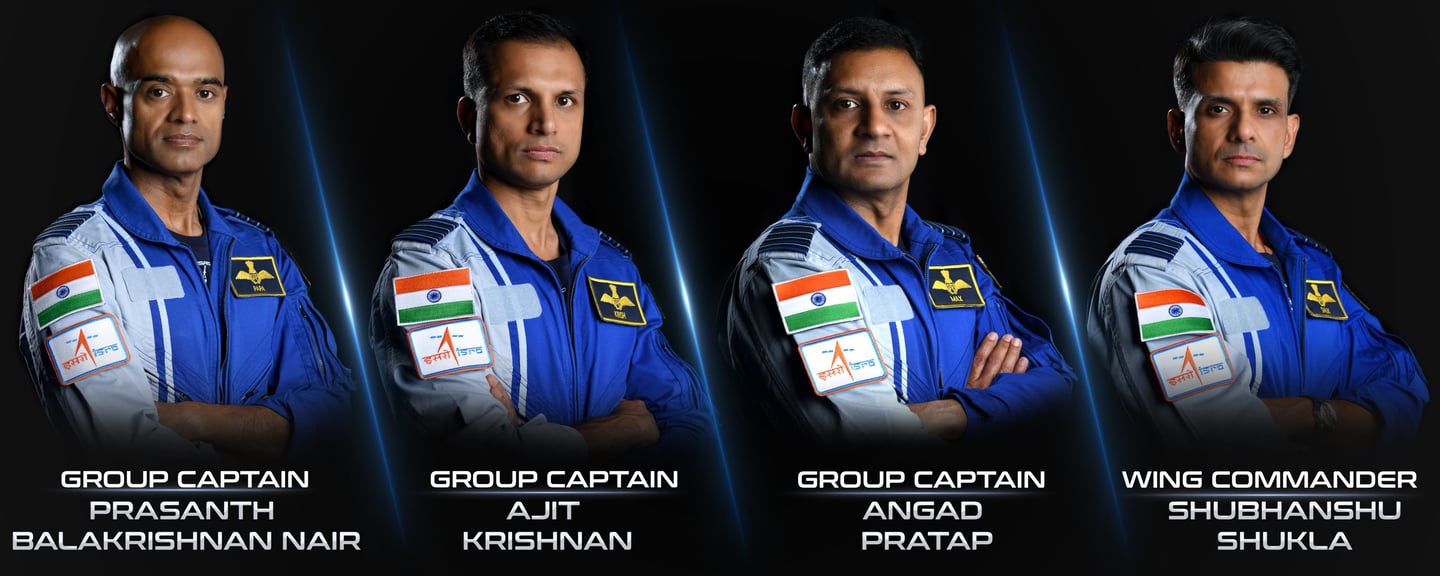
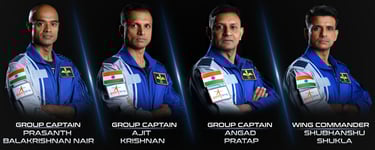
The Gaganyaan crew, India’s first "astronaut-designates," is comprised of four elite Indian Air Force test pilots: Group Captain Prashanth Balakrishnan Nair (Team Leader), Group Captain Ajit Krishnan, Group Captain Angad Pratap, and Wing Commander Shubhanshu Shukla. Selected for their extensive experience—ranging from 2,000 to 3,000 flying hours on fighter jets like the Su-30 MKI—these officers serve as the foundational pilots for India's human spaceflight program. Their primary role involves testing the indigenous crew module and life-support systems during the maiden Gaganyaan orbital mission, while their specialized training in rendezvous and docking protocols makes them the primary architects for the future Bharatiya Antariksha Station (BAS), ensuring India's permanent presence in space by 2035.
ORBITAL MODULE
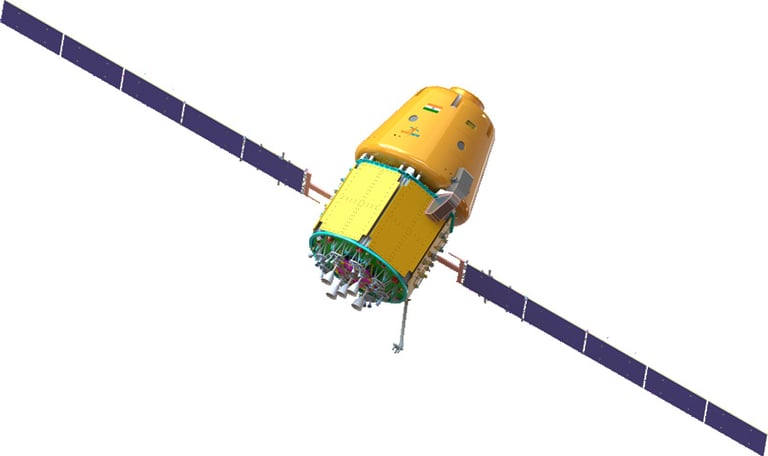
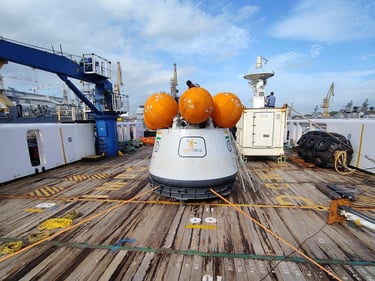
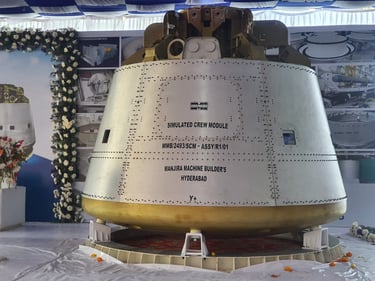
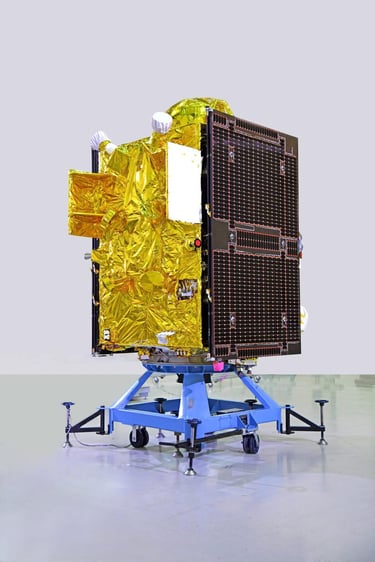
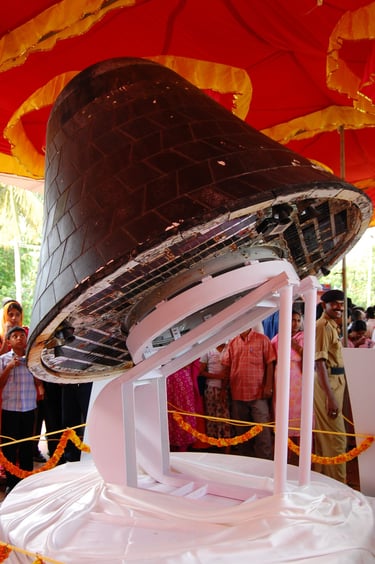
Orbital Module (OM) that will be Orbiting Earth comprises of Crew Module (CM) and Service Module (SM). OM is equipped with state-of-the-art avionics systems with adequate redundancy considering human safety.
CM is the habitable space with Earth like environment in space for the crew. It is of double walled construction consisting of pressurized metallic Inner Structure and unpressurised External Structure with Thermal Protection System (TPS). It houses the crew interfaces, human centric products, life support system, avionics and deceleration systems. It is also designed for re-entry to ensure safety of the crew during descent till touchdown.
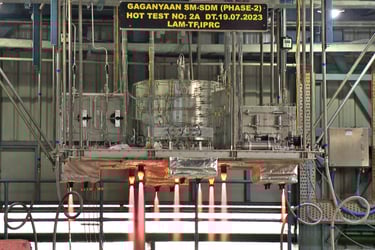
SM will be used for providing necessary support to CM while in orbit. It is an unpressurized structure containing thermal system, propulsion system, power systems, avionics systems and deployment mechanisms.
The LVM3 ROCKET
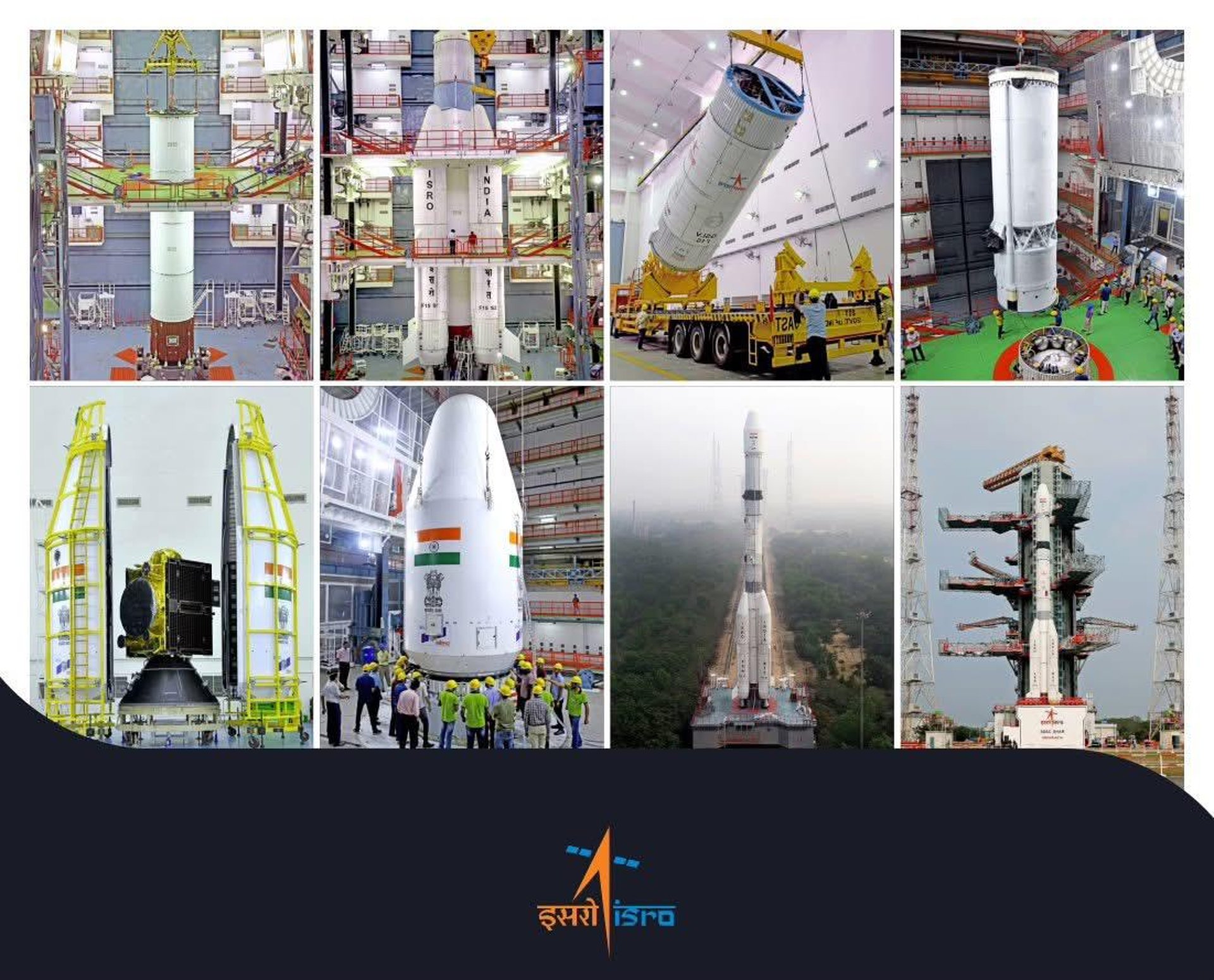
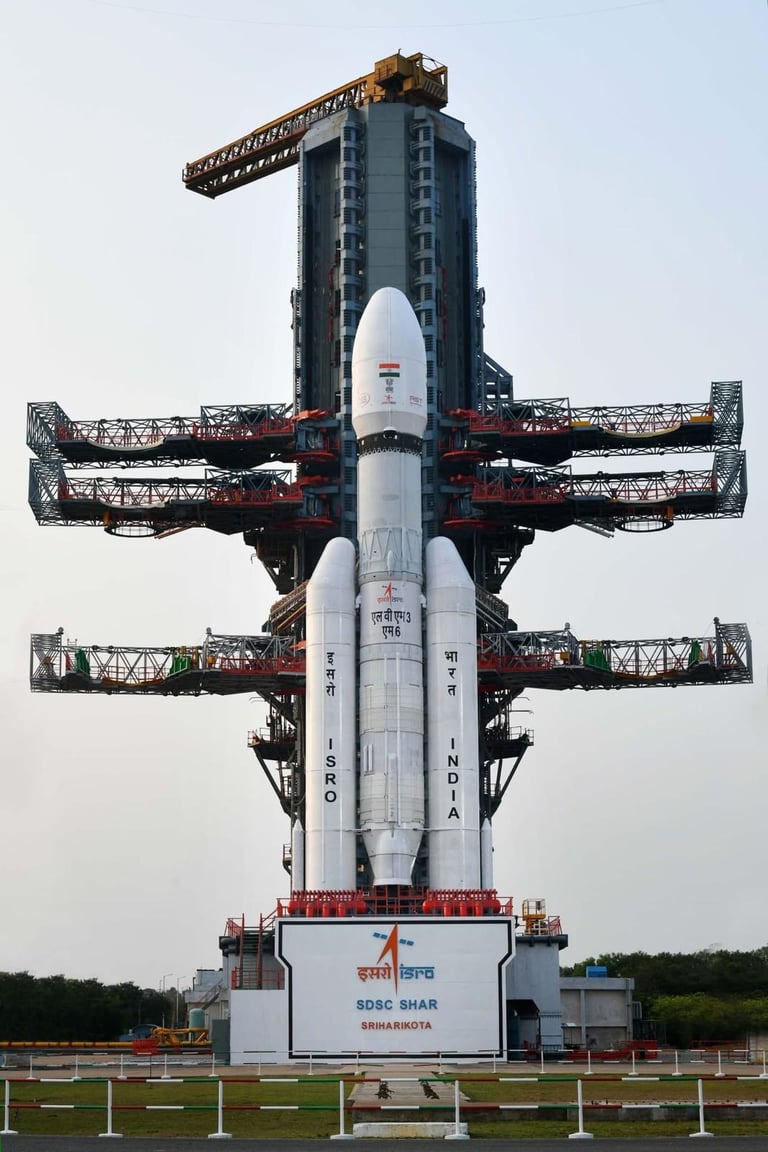
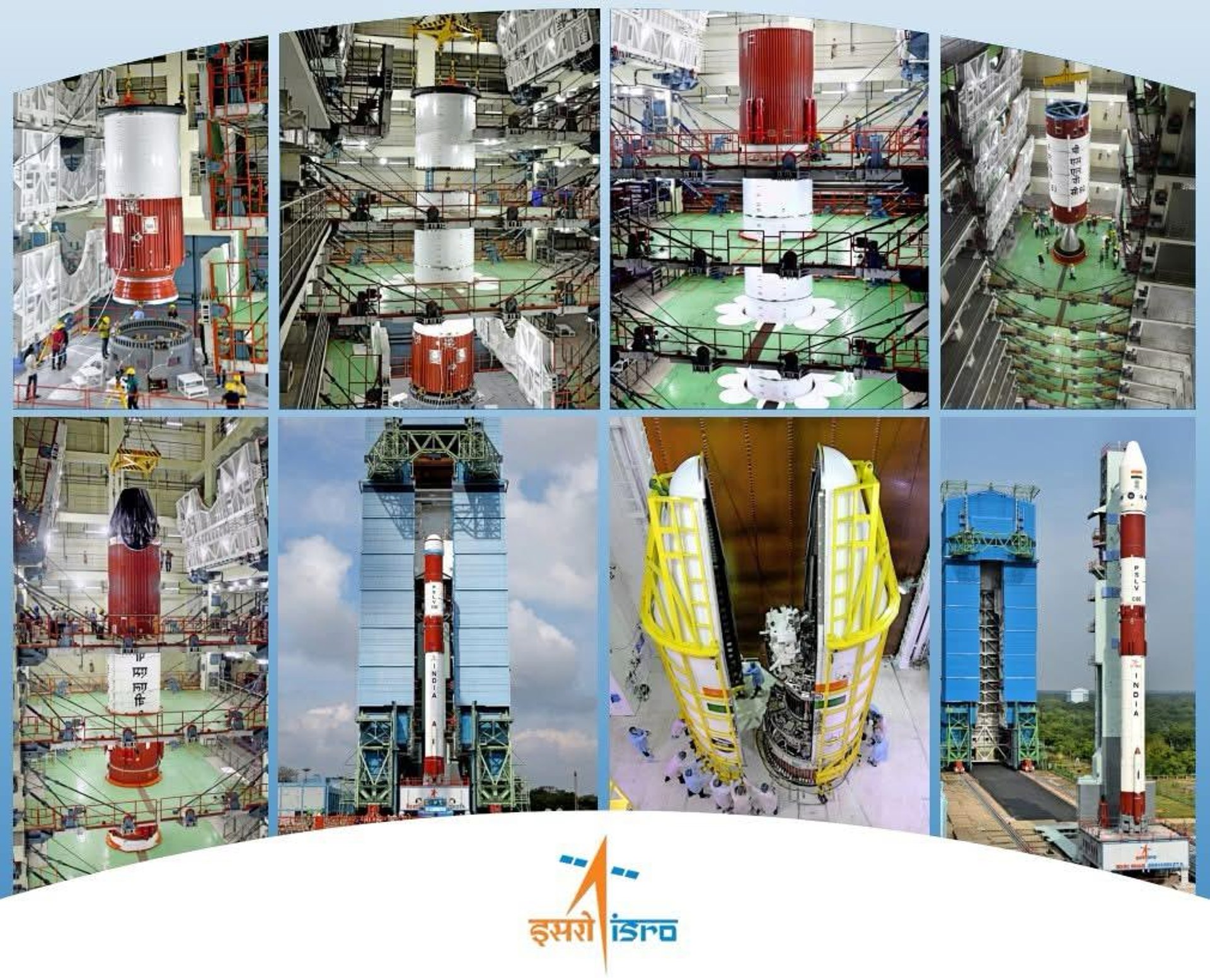
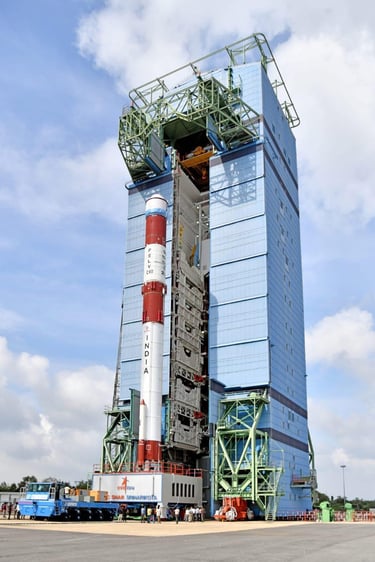
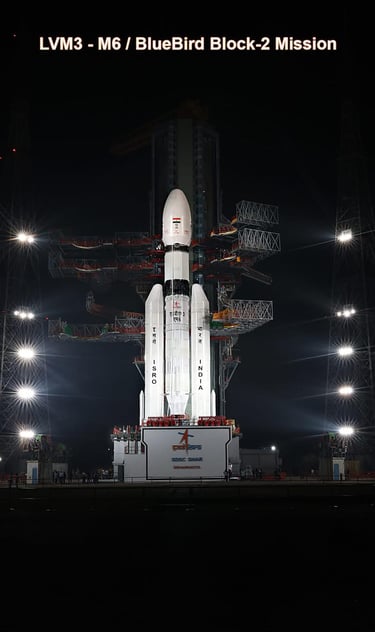
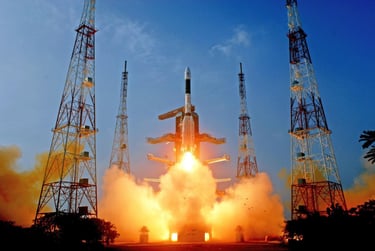
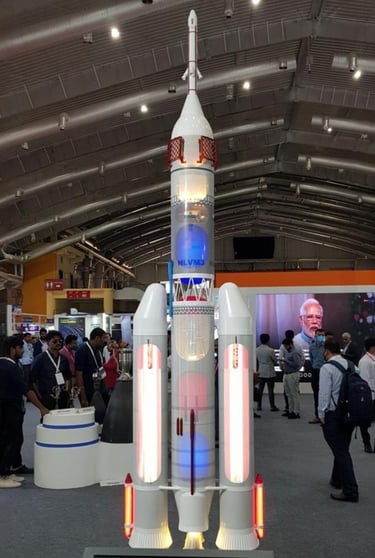
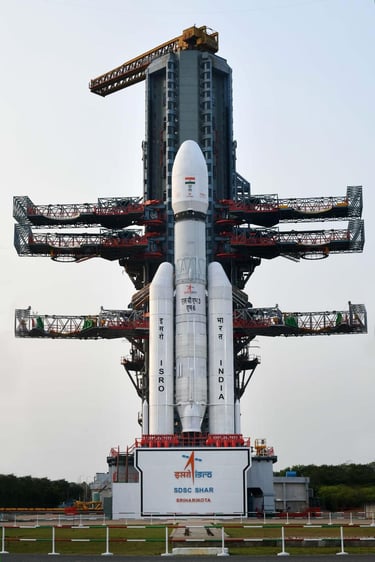
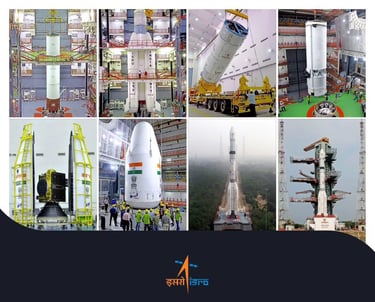
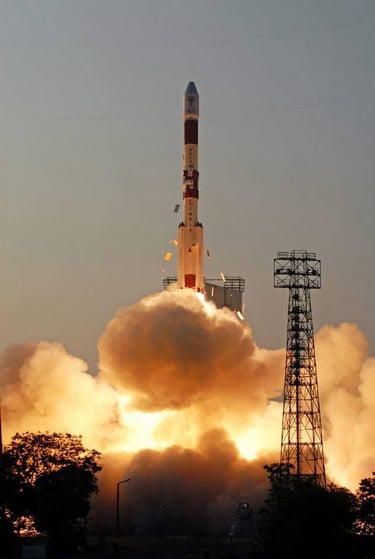
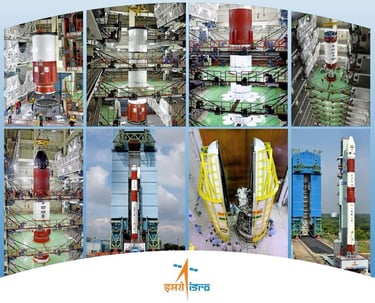
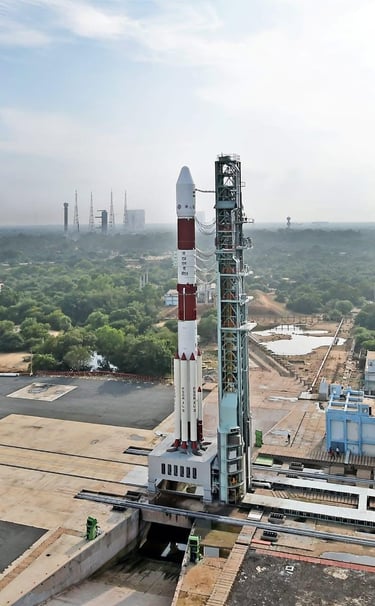
The Gaganyaan mission will be using an upgraded version of the Launch Vehicle Mark-3 or LVM3 rocket. The first test flight of the LVM3 was in 2014, with a total of nine launches since, experiencing a 100% success rate. Although not needed for its flights so far, the LVM3 was designed with sufficient weight capacity and acceleration limits to allow human spaceflight, with an eye to its future use. The rocket is currently undergoing the process of human-rating certification, ensuring that reliability and strength parameters meet the tighter criteria required for human spaceflight. Gaganyaan-1 will see the first test flight of the human-rated version of the rocket – the HLVM3. Missions will launch from the Satish Dhawan Space Centre, located on the island of Sriharikota in the state of Andhra Pradesh in the south east of India.
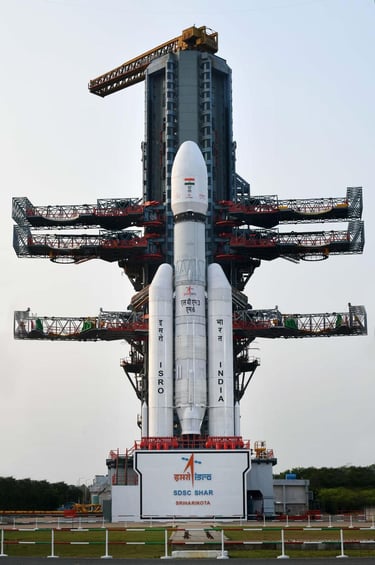
Beyond the Gaganyaan mission, ISRO plans to put a space station in orbit – the Bharatiya Antariksh Station. Current plans would see the first module put into orbit in 2028, with the station due to be completed by 2035. Should these plans go ahead, it would certainly cement India’s position as an increasingly important player in space exploration, particularly given the expected demise of the International Space Station around 2030.
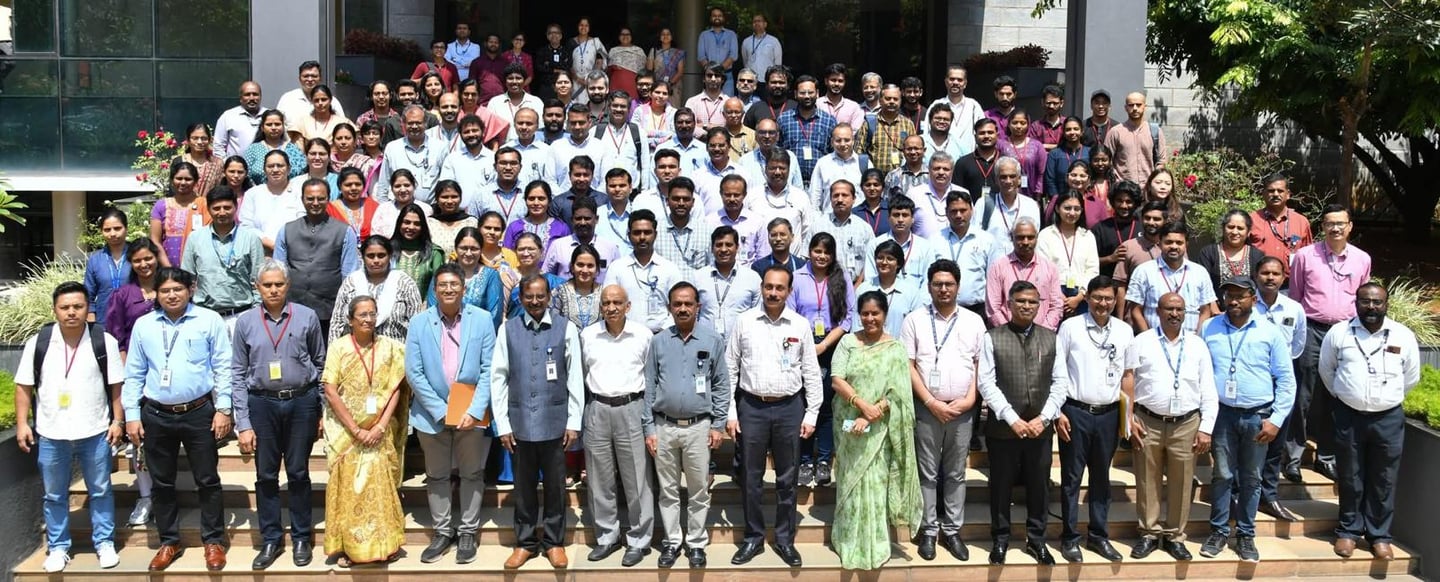
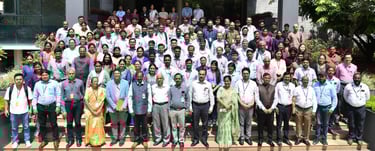
THE TEAM ISRO
Behind 1.4 Billion Dreams

ISRO GALLERY

Navigation
Engagement
contact@antryxspace.com
© 2026. All rights reserved.